Teacher evaluation is one of education’s most influential yet underused levers for systems change, and aligning it with a district’s instructional vision is essential for lasting transformation.
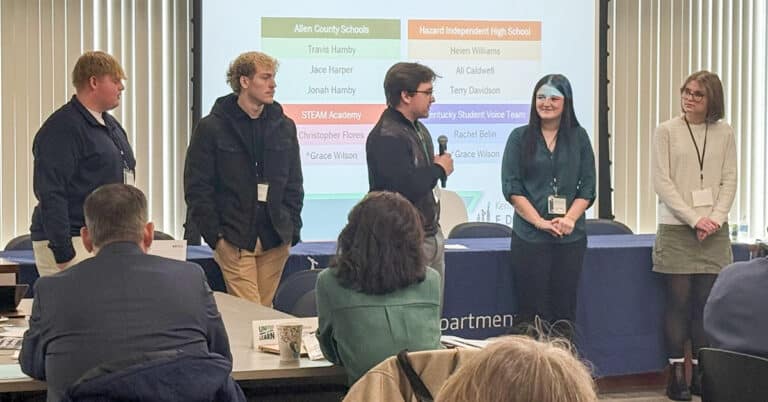
Kentucky is creating a new model for K-12 accountability that combines state support with locally developed measures to better capture the full range of learner success beyond test scores.
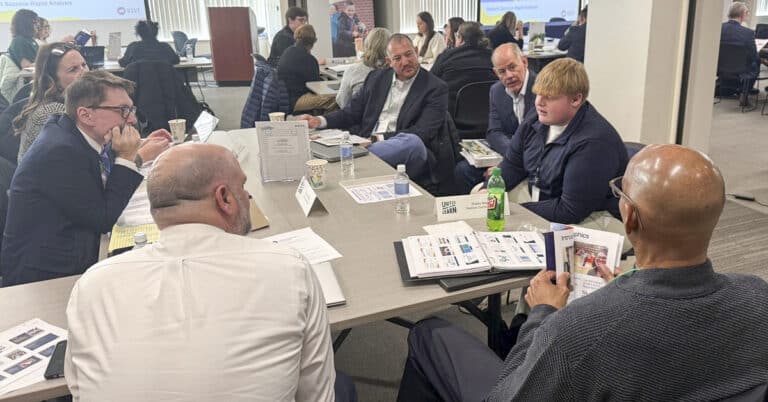
Immersive futures experiences allow participants to step into possible education scenarios, making future possibilities more concrete while revealing key insights to guide today’s decisions.
A NASBE report examines how states can empower communities to transform high schools by aligning policy, practice and local priorities around meaningful, future-focused learning.
Monica Hernandez highlights how educators can adapt to rapid change by strengthening collaboration, building AI literacy and embracing shared leadership to remake their roles.
Relationships become most impactful when they help educators and learners understand how learning happens, creating pathways to personalized learning, learner agency and deeper growth.
By partnering with students as co-designers of their education, schools and systems can narrow the relevance gap and create learning that is authentic, engaging and future-ready.
How two states navigate systems transformation by aligning around purpose, building shared language and advancing learner-centered, personalized learning practices