Education research tells us that strong relationships with students, families and communities play a critical role in student growth and success. As a teaching and learning director, I have seen that truth show up again and again. But relationships matter not only because they help students feel known and valued, but because they can help open doors to new learning.
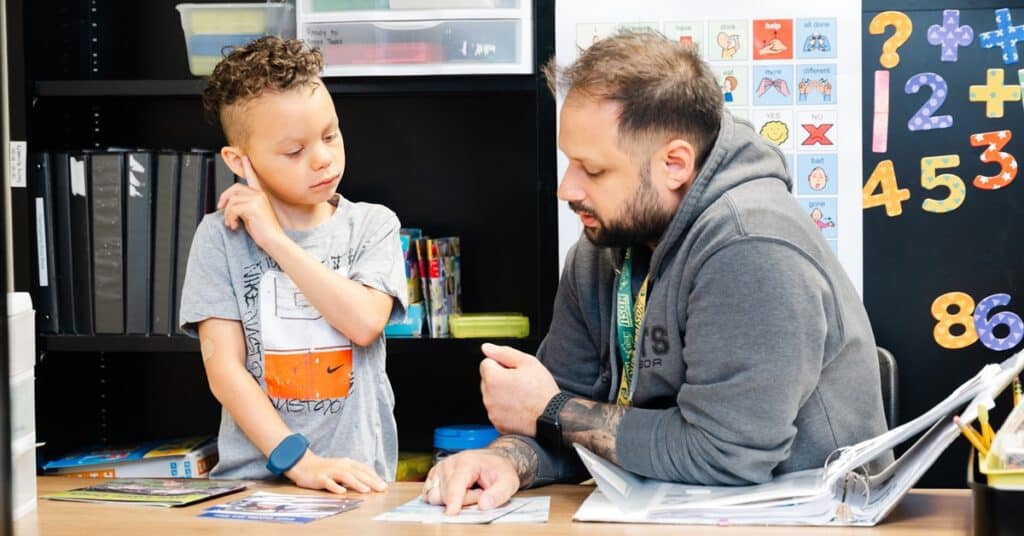
Relationship-building is important, but it is not the end goal.
As schools’ welcome children back into their buildings this fall, teachers who understand the importance of a positive classroom culture will likely spend the early days building relationships with learners and creating a climate of safety and belonging. That work is essential. But the strongest relationship-building activities do more than help educators learn students’ names, interests and stories. They help educators better understand how students learn and help students begin to understand themselves as learners.
If you were to pop into classrooms during those first weeks of school, you would likely see student work displayed on the walls and back-to-school activities such as “All About Me” writing, name poems, art projects, photo collages, scrapbook pages, interest inventories and surveys.
These activities can be powerful. They help educators make connections, build empathy, create a sense of belonging and learn what matters to their students. They can also help learners reflect on who they are, what they care about and what helps them feel ready to learn.
Through my work coaching and supporting educators implementing personalized, competency-based learning, I have come to believe that knowing students personally is important, but that’s only the beginning.
Relationships: a doorway to deeper learning
Knowing that a student loves motocross, plays guitar or enjoys drawing helps us connect with them. Knowing how that student accesses information, engages with content, processes new ideas and shows what they know, can help us design learning that meets their needs.
When educators and learners better understand how a student learns, relationships open doors for deeper learning. Some learners may benefit from direct instruction, while others may need visual models, text-based resources, video with narration, collaborative practice, movement, quiet processing time or multiple ways to demonstrate understanding. Those insights allow educators to create more personalized learning experiences and provide differentiated support that is responsive, intentional and inclusive.
This kind of understanding also supports learner agency. When students can name what helps them learn, where they need support and how they can best show evidence of learning, they are better positioned to take ownership of their growth.
So, as educators design “All About Me” tasks and other early relationship-building activities this year, they might ask:
- What will this help me understand about this learner?
- What will it help the learner understand about themselves?
- How can we use this knowledge to create learning experiences that are more personalized, supportive and accessible for this learner?
The goal is not simply to build relationships; it is to use those relationships to better understand learners and help learners better understand themselves. When used in this way, relationships become more than a foundation for belonging, they’re a doorway to personalized learning, differentiated support and deeper opportunities for every learner to grow.