Topic: Systems Change

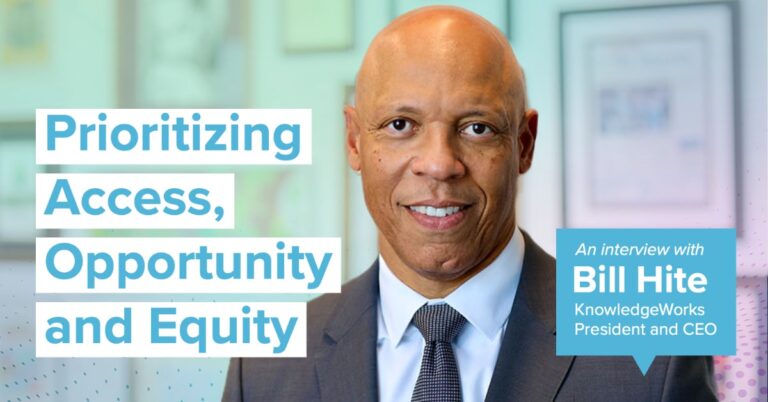
Q&A with Bill Hite: How steps to detracking districts can lead to increased equity in access and opportunity.

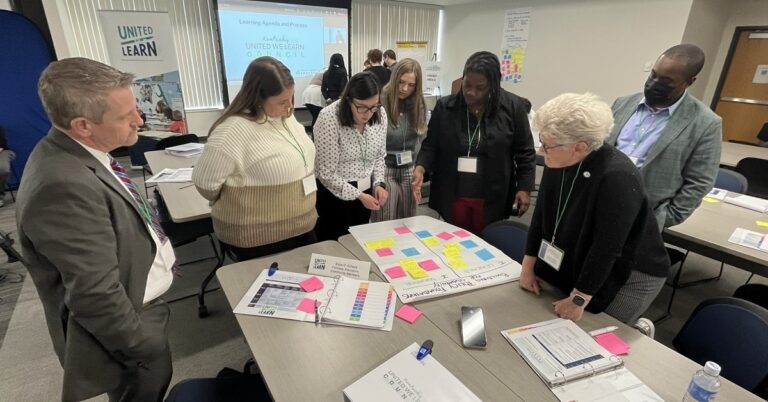
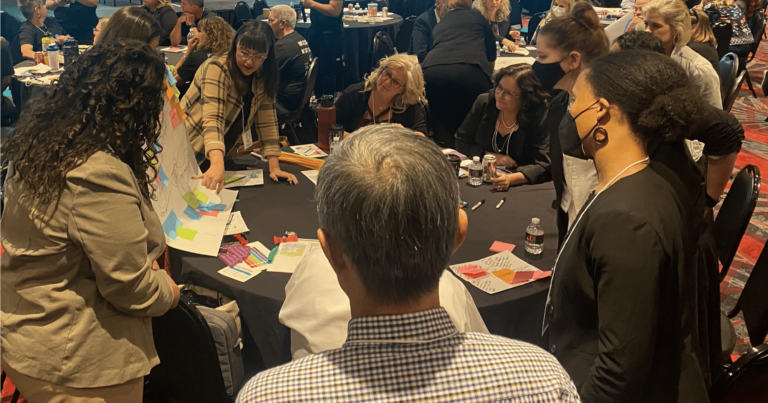
How educators, community members and students are working together to build a vision for the future of teaching and learning in Nevada

By taking GED tests where they need credit, North Dakota students can earn their high school diploma.

Simply adding technologies to education systems does not change them in any fundamental way. It makes them more efficient at perpetuating inequities.

Jason Swanson
Senior Director of Strategic Foresight

While state and district leaders must be at the forefront of systemic change in education, educators can’t do this work alone.

Shelby Taylor
Director of Marketing and Communications

Every system, like every learner, is an individual. And they can learn a lot from each other.

Place-based strategies lead to greater engagement of stakeholders and greater ownership of the work.

Matt Williams
Executive Vice President and Chief Program Officer

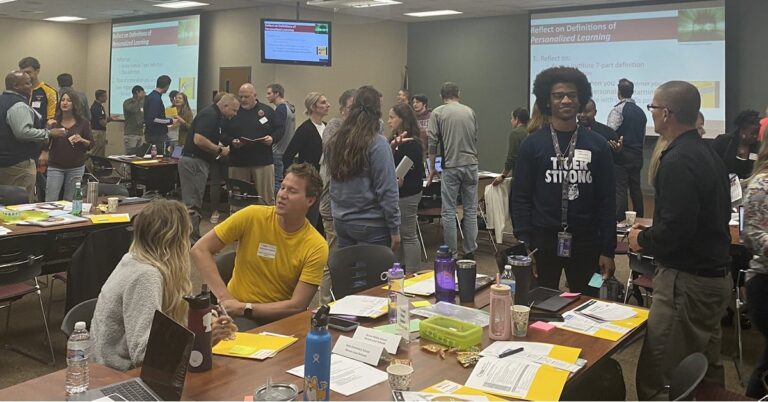
The Ohio Personalized Learning Network aims to provide professional learning pathways to help Ohio educators personalize learning for each student. One educator explains.

There was a rush to blame after the release of the NAEP scores – but our learners need something different.

Matt Williams
Executive Vice President and Chief Program Officer

Out of the Box provides an action plan for rethinking teaching and learning in a way that better prepares today’s students for tomorrow’s challenges.

What do systems look like when they move from equity to liberation? Take a look.

Katherine Prince
Vice President of Foresight and Strategy

Language arts teacher-librarian Julia E. Torres provides actionable tips for creating inclusive and engaging classrooms.

Shelby Taylor
Director of Marketing and Communications

Menu

Search