KnowledgeWorks third comprehensive forecast on the future of learning looks ahead to 2022
Innovation has been transforming how we think about learning and how we organize talent and resources for learning experiences
Knowledge-based industries such as education continue to confront the most significant disruptions and also to find the greatest opportunities for recombination
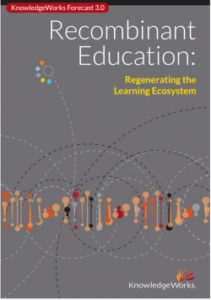
The future is not a fixed point. It is ours to create. Forecast 3.0: Recombinant Education: Regenerating the Learning Ecosystem previews five disruptions that will reshape learning over the next decade. Responding to them creatively rather than fearing will be critical to preparing all learners for an uncertain future.
Democratized Startup: Transformational investment strategies and open access to startup knowledge, expertise and networks will seed an explosion of disruptive social innovations
High-Fidelity Living: As big data floods human sensemaking capacities, cognitive assistants and contextual feedback systems will help people target precisely their interactions with the world
De-Institutionalized Production: Activity of all sorts will be increasingly independent of institutions as contributions become more ad-hoc, dynamic, and networked
Customizable Value Webs: Innovative, open business models will leverage complex networks of assets and relationships to create ultra-customer-centric experiences across industries
Shareable Cities: Next-gen cities will drive social innovation, with urban infrastructure shaped by patterns of human connection and contribution
Read Forecast 3.0: Recombinant Education: Regenerating the Learning Ecosystem to learn what these disruptions will mean for learners, learning agents and learning ecosystems.
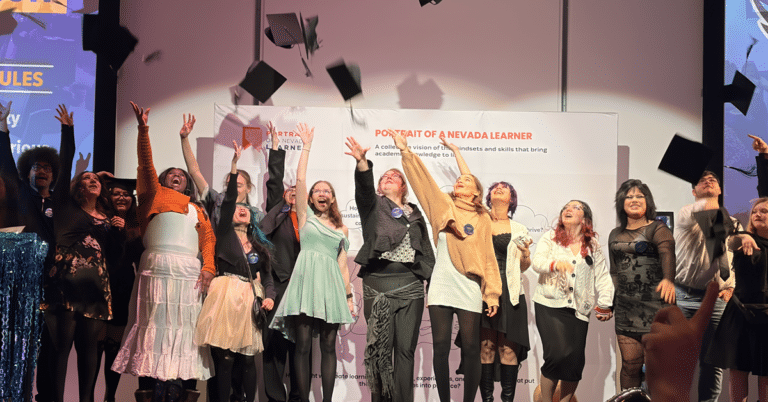
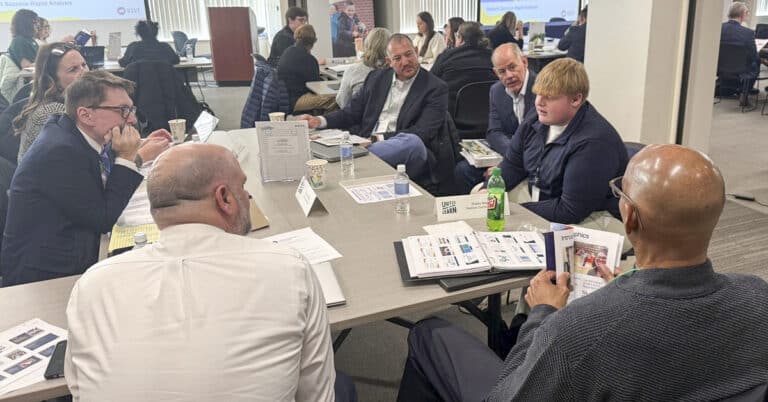
Immersive futures experiences allow participants to step into possible education scenarios, making future possibilities more concrete while revealing key insights to guide today’s decisions.
Monica Hernandez highlights how educators can adapt to rapid change by strengthening collaboration, building AI literacy and embracing shared leadership to remake their roles.
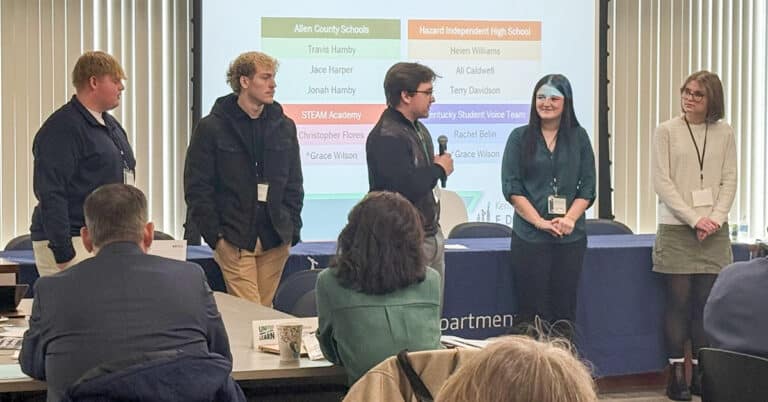
By partnering with students as co-designers of their education, schools and systems can narrow the relevance gap and create learning that is authentic, engaging and future-ready.