In Arizona, learner-centered change has not come all at once. It has taken shape over time, through steady investment in educator learning, shared language and the belief that students can take more ownership of their learning when adults are supported to teach differently.

Through the Arizona Personalized Learning Network (AZPLN), districts across the state have engaged in sustained professional learning focused on student agency, personalized instruction and competency-based practices, co-led with state partners including Center for the Future of Arizona. This work has supported districts such as Mesa Public Schools, Amphitheater Public Schools, Santa Cruz Valley USD 35 and Yuma Union High School District as they design and implement personalized, competency-based learning systems that fit their local context.
The impact of this approach shows up in both data and educator experience.
What the data shows
Across multiple years of implementation, educators in Arizona reported meaningful gains in areas closely tied to student-centered practice.
- Educator agency rose more than 10 percentage points from 2022 to 2025, reaching 86.81% favorable responses in surveys
- Educator‑reported student agency increased nearly 8 points, suggesting that teacher belief shifts are translating into classroom practice
- Educator engagement increased by more than 9 points over the same timeframe
- Teacher retention indicators improved substantially, with favorable responses jumping 14 points between 2023 and 2025
These shifts matter because they signal more than satisfaction. They point to changes in belief and practice that show up in classrooms.
What educators are saying has changed
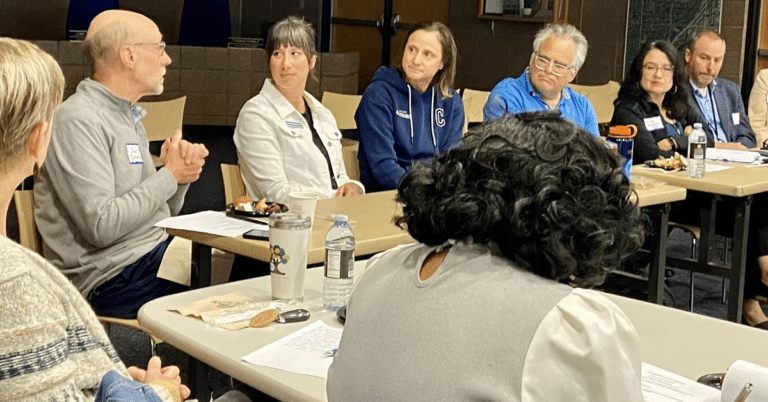
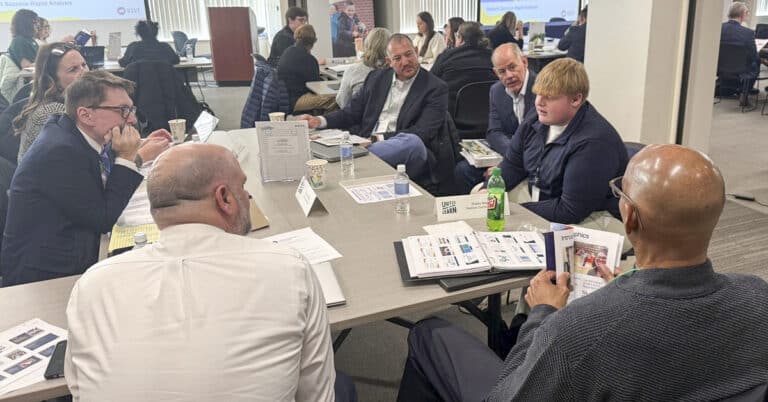
In reflection after reflection at KnowledgeWorks-led events, educators describe a similar arc. Many entered the work thinking personalized learning would mean more work, less control, or unrealistic expectations. Over time, their thinking shifted.
“I used to think that if I allowed my students to take charge of their learning, it meant I was not doing my job,” one educator reflected. “Then I learned that giving students ownership did not mean giving up control. It meant giving them agency and voice.”
Others described discovering that strategies like small groups, choice and goal setting were not add-ons, but better teaching.
Another educator wrote, “I used to think personalized learning would take lots of extra time to implement. Then I learned that these strategies actually save time. Students have more accountability and incentive to succeed academically and socially.”
Across sessions, educators noted increased student engagement, deeper thinking and greater independence, even in classrooms where students had previously struggled with behavior or motivation. Several reflected on how these shifts renewed their own sense of purpose and confidence as teachers.
“These are the kinds of sentiments we hope to see from educators deeply engaged in the work of transforming their classrooms and districts,” said Robin Kanaan, a senior director of teacher learning who has been with Arizona educators since they began partnering with KnowledgeWorks. “They know it’s hard, but they also know that’s affirming of why so many of them wanted to be teachers in the first place: to provide the learners they serve with the experiences and opportunities that will open the door to a lifetime of possibilities.”
From individual practice to system change
What distinguishes Arizona’s progress is not isolated classroom success, but how learning has spread. Through AZPLN, districts have engaged in shared visioning, cohort-based learning and leadership development that supports scale and sustainability, rather than short-term implementation. The work has included district design teams, coaching and support for aligning instructional practice with assessment, reporting and local policy flexibility.
Educators describe this as a culture shift. One reflection captured this clearly: “I now know this is a culture embedded into our teachers, staff and students. It’s becoming this is what we’re doing, while taking risks and continuing to learn and grow.”
Why it matters
The Arizona story shows that sustained professional learning, grounded in trust and practical classroom strategies, can change how educators see their role and how students experience learning. It also shows that when teachers feel more agency and support, they are more likely to stay, grow and lead others.
This work continues, but the results so far make one thing clear: when educators are supported to rethink instruction alongside peers, students benefit and systems move.